
A long-term commitment made too soon?
Why we think councillors should seek a delay before committing to a long-term river discharge pathway.

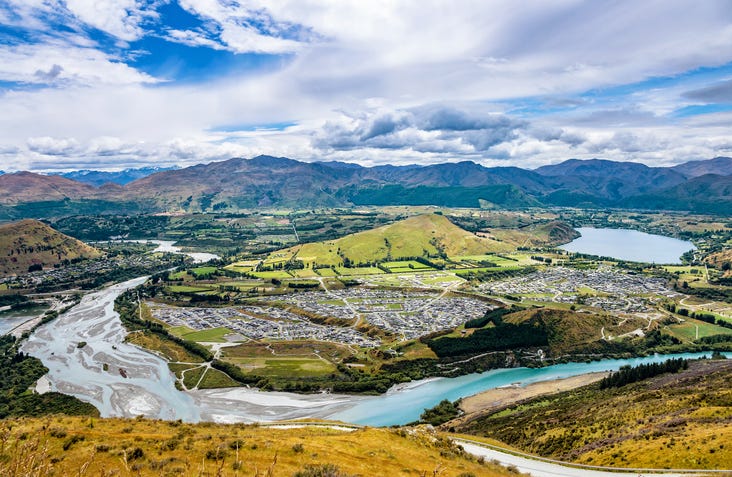
Early in 2025, QLDC and ORC entered mediation in an Environment Court hearing related to the problems with unconsented discharges from the disposal field at the Shotover Wastewater Treatment Plant (SWWTP). As part of that mediation, they agreed that QLDC would submit the long-term solution to ORC by May 31, 2026. That deadline was approved by the Environment Court, and QLDC have been working on the long-term solution since.
Last week, QLDC held a workshop to discuss the long-term options for disposal of treated effluent at the SWWTP. Five options were presented - four of which ultimately discharge into the Kawarau River, and one which is a land disposal option on the Crown Terraces. Councillors are being asked to decide which option to proceed with on March 19th 2026.
As you may know from our previous posts, QLDC decided in March 2025 to discharge directly into the Shotover River using emergency provisions within the Resource Management Act. They then sought retrospective consent and chose to go directly to the Environment Court. We are a section 274 party in those proceedings, which means we will be involved in mediation and directly involved in the process.
Those proceedings relate to the short-term discharge into the Shotover River. However, mediation and the hearing could bring forward new scientific evidence, expose operational weaknesses, or highlight environmental concerns about direct-to-river discharge that are directly relevant to the long-term options now being considered.
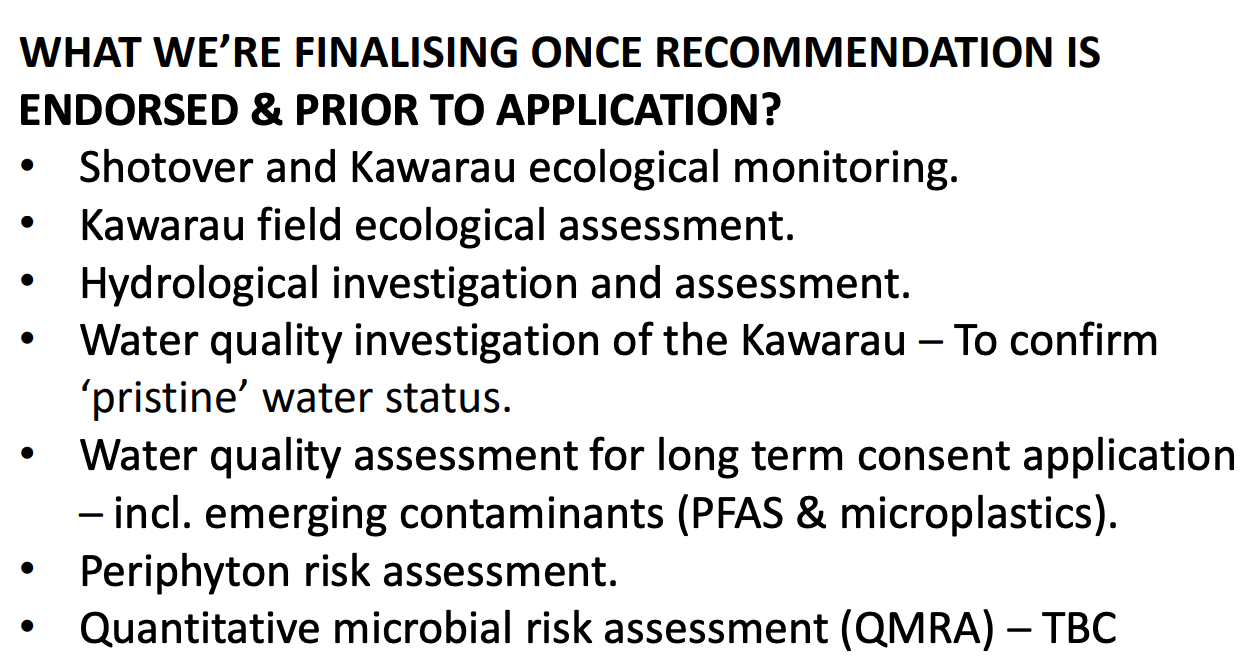
At the same time, the environmental assessments for the long-term options are not expected to be completed until after councillors have endorsed a recommendation. It is difficult to understand how councillors can make an informed decision without knowing what the environmental impacts of each option are.
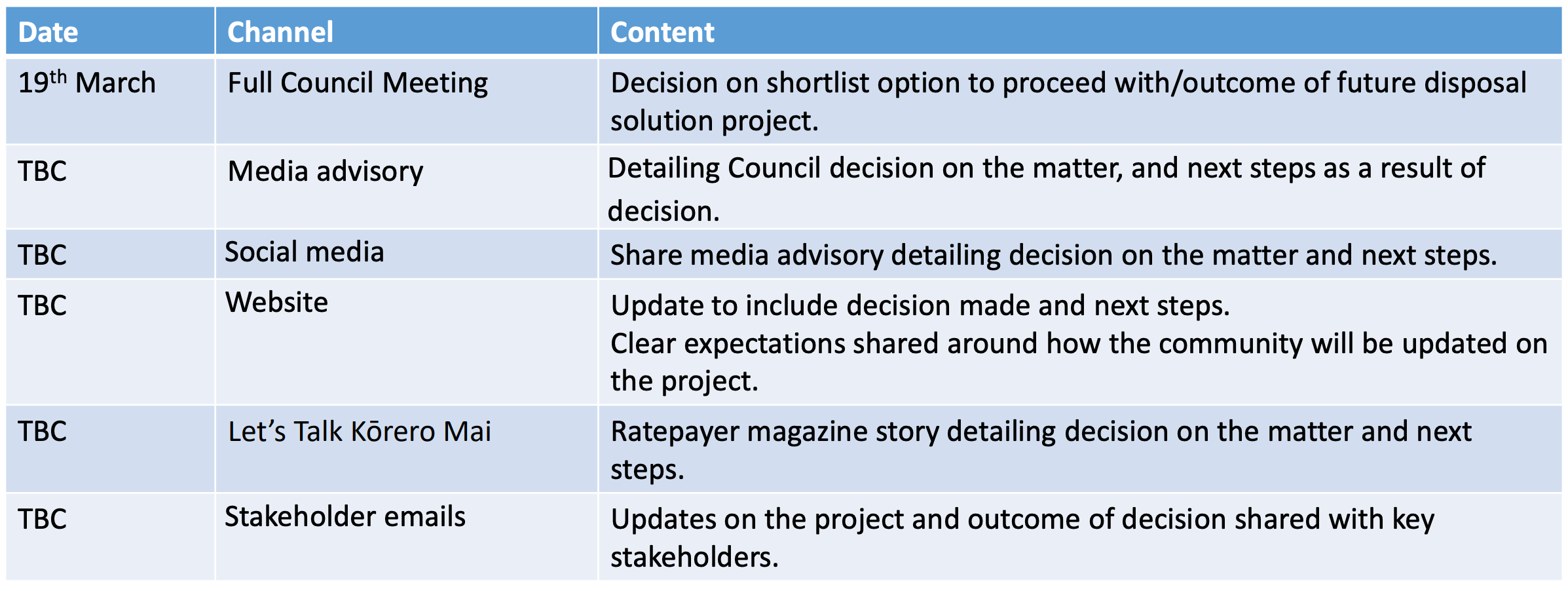
QLDC have been engaging with iwi, and a mana to mana hui is scheduled for March 11th. However, there do not appear to be any plans for broader community engagement on the long-term options before the decision is made. For a decision of this scale and consequence, that is surprising. Instead, the intention appears to be to inform the community after the choice has already been made.
Today we have written to all elected members asking them to request ORC to approve an extension of the deadline to decide on the long-term option until:
The environmental assessments on the long-term options are complete and available
Mediation in the current Court proceedings on the short-term discharge has occurred
This would enable councillors to take into account any issues that arise before making their decision. We have also asked them to engage directly with their communities on these options, given there is no formal engagement planned. It is encouraging to see that some councillors are already doing this.
While seeking an extension may not be straightforward, we would have expected at least a conversation with ORC about a delay, given the potential impact of this decision on the environment, future growth in the district, and on community and ratepayers.
If this decision proceeds on March 19th, councillors will be making one of the most significant infrastructure decisions this district has faced in decades without the benefit of completed environmental assessments, without knowing what may emerge from Court mediation, and without formal community input. That is not good governance. Major decisions should follow full information and proper engagement, not precede them.
Links to Resources
Presentation from QLDC staff to elected members on Feb 19th 2026
We had hoped that a new Council would be a positive step forward for the region. Alas, here we go again. It would be interesting to know what the staff had relayed to the Council?? An injunction might be in order.
Just superb to know of your group and the work you have taken on. It is imperative that this Council does not make any decision on the discharge of the sewage effluent without opening up to listening to all of the evidence yet to be heard by the community. Certainly no future development can be authorised until such time as a land-based system is in compliance in operation.